Journal of Frontier Studies

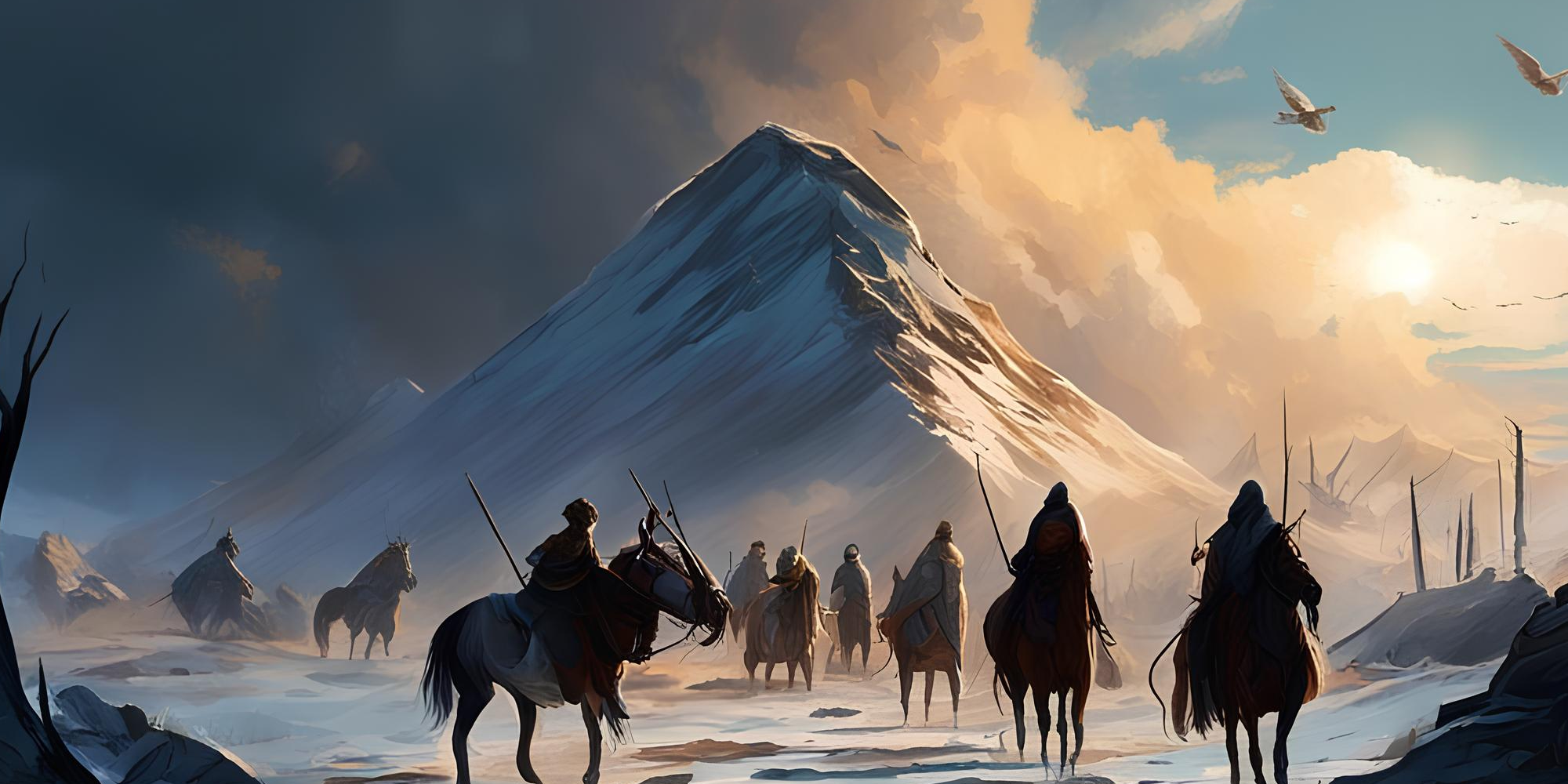

The first issue of 2024 of the Journal of Frontier Studies showcases the multifaceted nature of the frontier approach in analyzing social, cultural, and historical processes. The section “Russian Frontier” features articles that explore the energy development of Eastern Siberia, the integration of the Vietnamese market into the post-Soviet urban space, and the rethinking of the pre-war past in the context of perestroika, highlighting the complexity and dynamics of frontier zones in modern Russia.
In the section “General Questions of Frontier Theory,” topics related to the impact of natural-climatic conditions on the traditional lifestyle of the Kalmyks and the analysis of the processes of inventing traditions in the context of minority nationalisms are discussed. These studies expand the understanding of the frontier as a space where natural conditions, cultural practices, and political processes intertwine.
“The Global Frontier” section is devoted to research on the peculiarities of the Reformation in Hungary and the evolution of Britain's image in Russian press. In the “Identifying Self and the Other” section, stereotypes based on Russian internet queries are analyzed in the context of forming the image of the Other. These works demonstrate how the frontier approach can be applied to the study of various cultural and historical phenomena, extending beyond a single geographical region.
In the “Miscellaneous” section and in the reviews, the academic community is invited to discuss new approaches to understanding urban space and cultural frontiers. The review of a book series on the mythological frontier and the analysis of the functional-spatial and ritual-symbolic specifics of the house in the rural borderland reflect the depth and diversity of frontier analysis, proposing new directions for future research.
Journal of Frontier Studies is a periodic academic e-journal without printed forms (since 2016). The journal publishes scholarly articles, reviews, information resources, expeditions’ reports, conferences and other scientific materials.
Certificate of registration issued by Roskomnadzor: Эл № ФС77-61330 from 07.04.2015
ISSN: 2500-0225
In case you have any questions about cooperation please write an email the following address: editorialboard.jsf@jfs.today or editorialboard.jsf@gmail.com
Phone: +7 (988) 068-63-72
Navigation:
The journal is indexed in:
The journal was included in the top list of peer-reviewed scientific publications, which should publish the main scientific results of dissertations for the degree of candidate of science, for the degree of doctor of science in the following specialties:
The journal assigns Crossref DOIs to all articles.